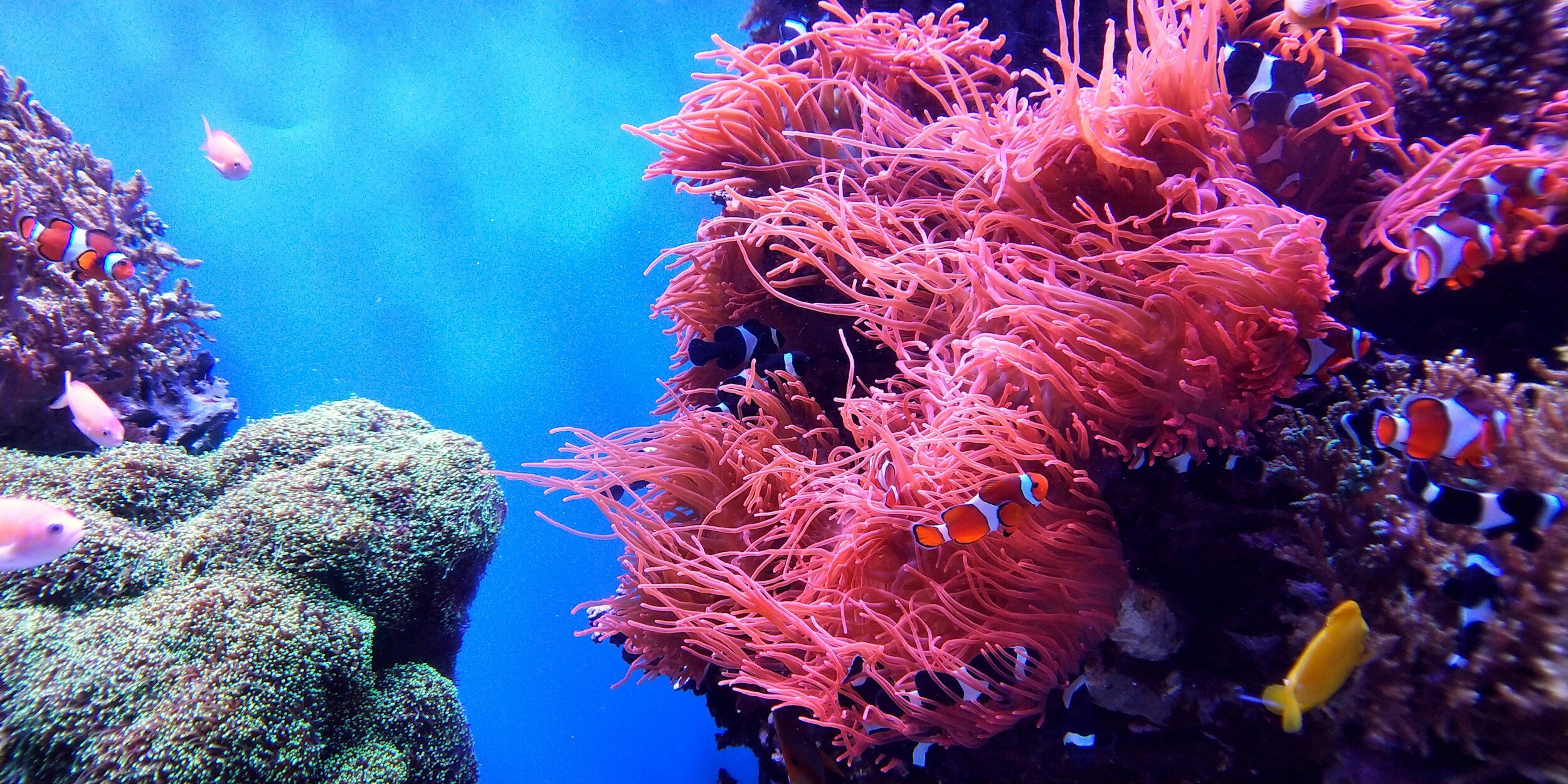
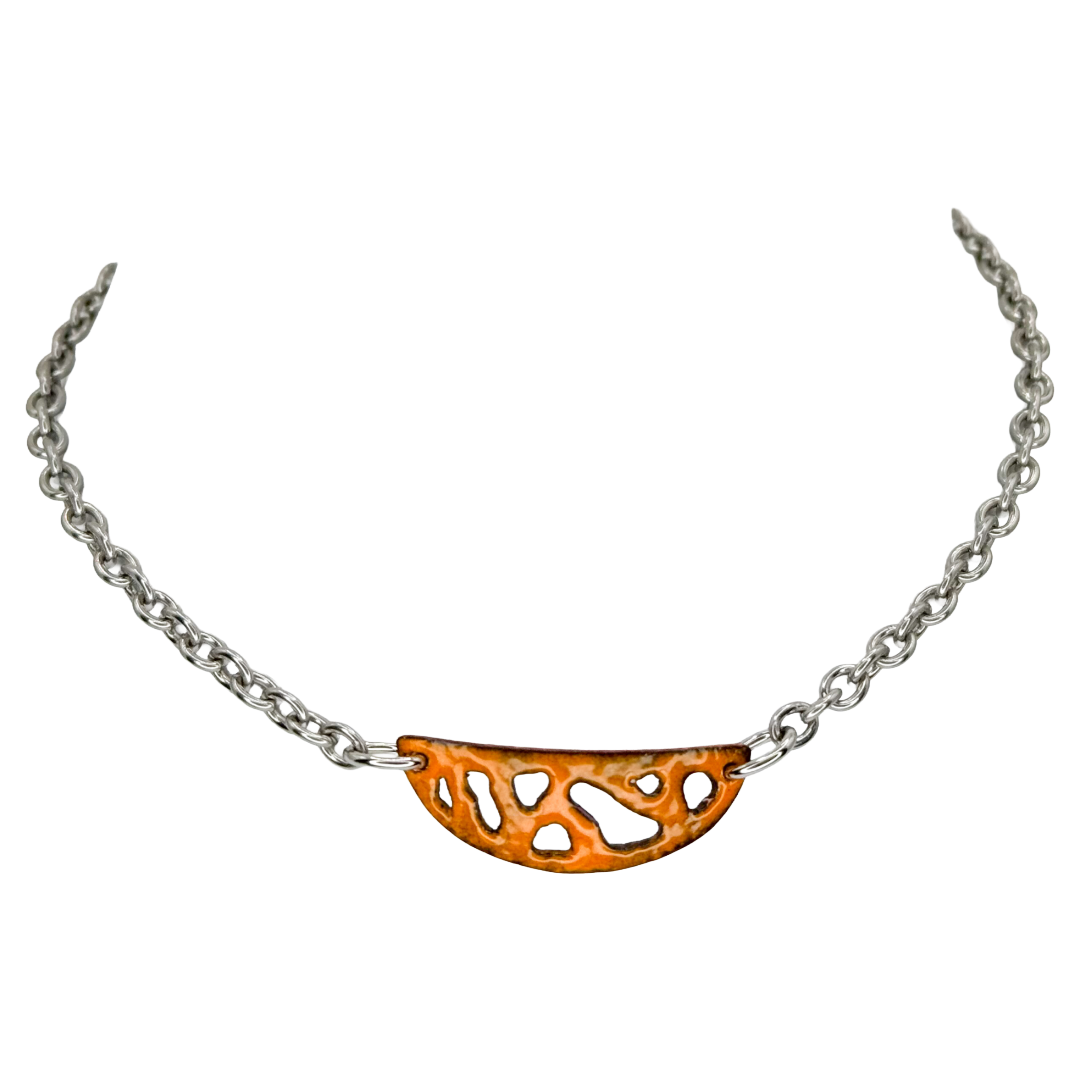
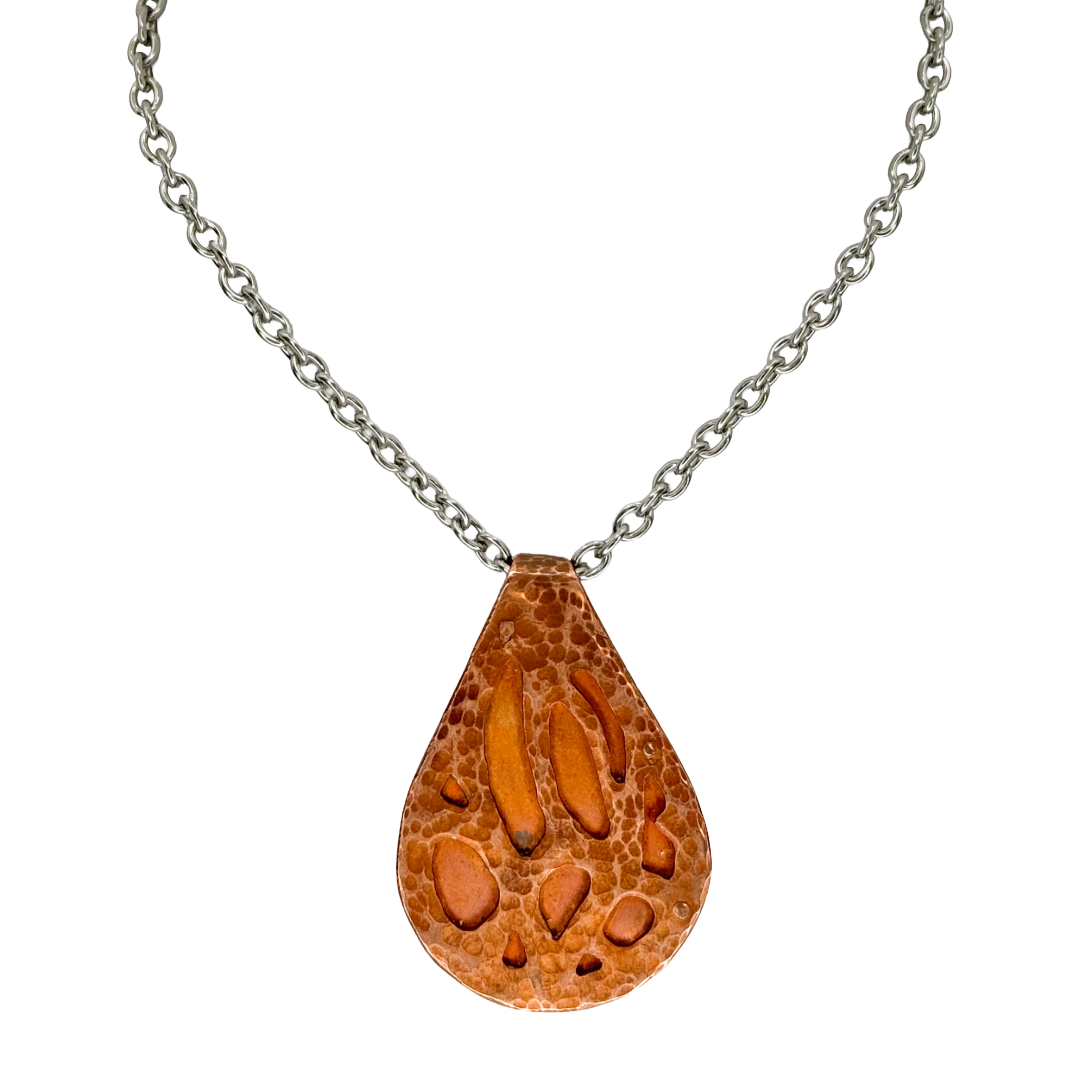
The Alloy Reef collection draws its inspiration from the vibrant beauty and delicate complexity of coral reefs. Each piece reflects the intricate forms and vivid colours found beneath the waves, celebrating the reefs' vital role in our oceans' ecosystems. Below the gallery, you'll find a section dedicated to learning more about how you can help conserve and restore these precious underwater habitats, ensuring their survival for generations to come. Or go there now.










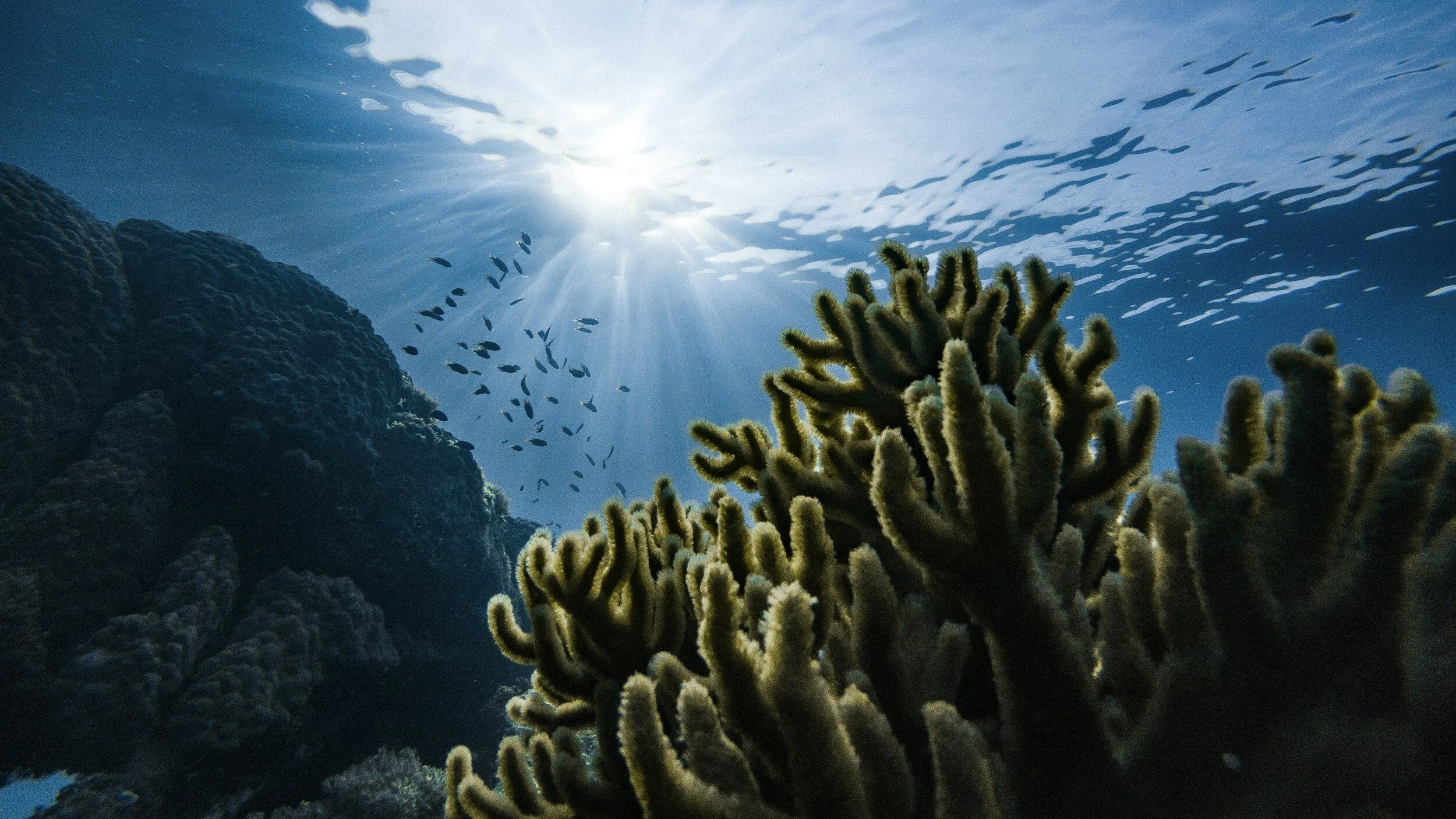
Together, we can help save the oceans.
The Top Four
These four issues are the top contributors to the deaths of the coral reefs.
Source: SaveTheReef.org
-
The Earth has risen in temperature by 1.8 Degrees Fahrenheit since the 19th Century. If the earth's temperature rises another half degree, it could have consequences, such as subjecting millions more to life-threatening heat waves, water shortages and coastal flooding.
What we can do to help prevent it from escalating is using clean and renewable energies, such as wind and solar. We can also do more ride sharing, walking and cycling as alternative modes of transportation. These efforts will help to reduce and eliminate dependencies on things that are harming this planet we call home.
-
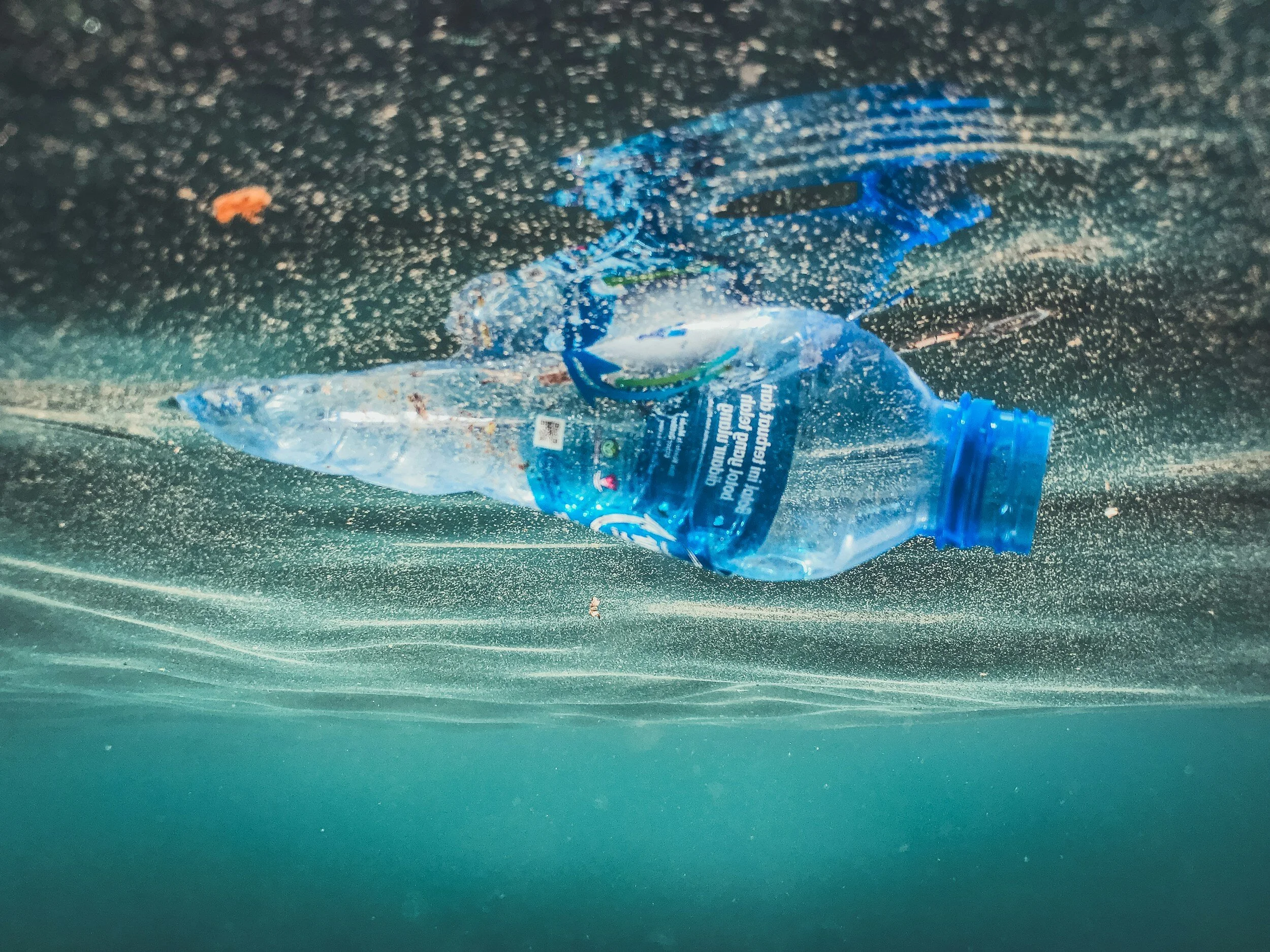
According to a stat received by SaveTheReef.org, 381 million tons of plastic was produced in 2017. That's 837,756,596,303 pounds per year! Out of all of the world's plastic that has been produced, only 9% of it has been recycled. As a result of the plastic filling our oceans, 1 million marine animals are killed yearly due to entanglement and ingestion. 70% of the world's fish are said to have ingested plastic and in turn, we are ingesting those same fish.
What we can do to do our part is to use less plastics, bring our own reusable shopping bags, replace drinking from plastic bottles with refillable bottles, and switch to biodegradable items. You can also encourage your grocery markets, restaurants, and other places of business to move toward alternative, biodegradable packaging and materials.
-
Virtually all run-off water in rural areas near coastlines is polluted with pesticides. The run-off goes directly into the oceans and is fatal to marine life and coral reefs. It affects all stages of coral.
What we can do to help rectify this is to stop using these harmful chemicals on our lawns and produce. Instead, use natural herbicides, or don't spray anything at all.
-
Scientists estimate that 14,000 tons of sunscreen are deposited into the oceans and coral reefs each year. The two most popular chemicals found in non-safe sunscreen are Oxybenzone and Octinoxate. Both are found to be highly potent to our coral reefs.
SaveTheReef.org has a helpful reef-safe sunscreen guide on their website. Click on the link to read more and see their reef-safe sunscreen guide